Skip to content

Erwin Wurm

Museo Fortuny

Venice

May 6–Nov 22, 2026

Sculpture by Erwin Wurm

The Museo Fortuny presents the work of the Austrian sculptor Erwin Wurm for the first time in Italy with a major monographic exhibition. Born in 1954 at Bruck an der Mur, in the course of his career, Wurm has radically expanded the concept of sculpture, questioning notions of time, mass and surface, abstraction and representation. For many decades he has been using clothes to deal with sculptural issues. On this journey, his path has frequently crossed that of Mariano and Henriette Fortuny.

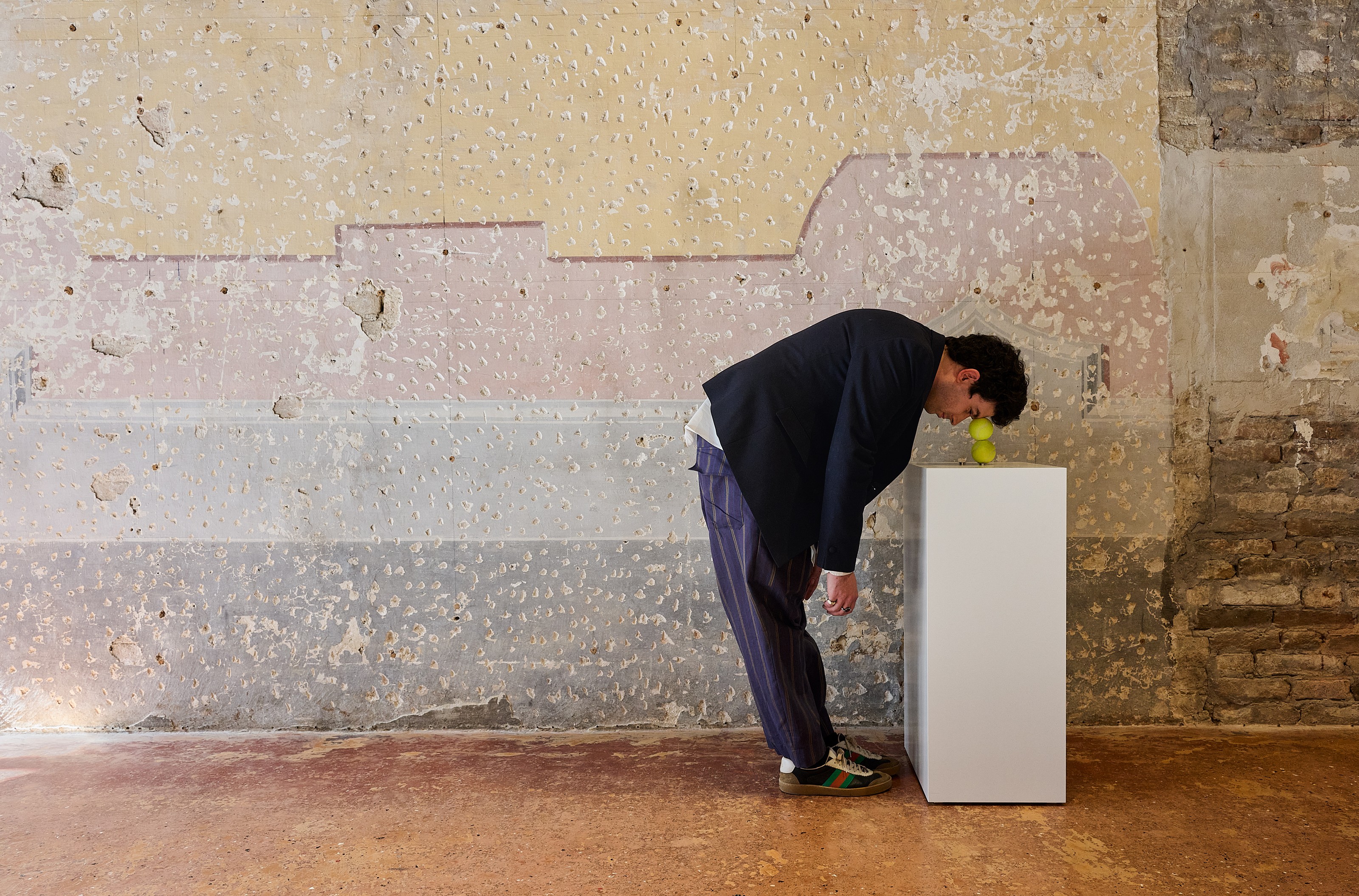
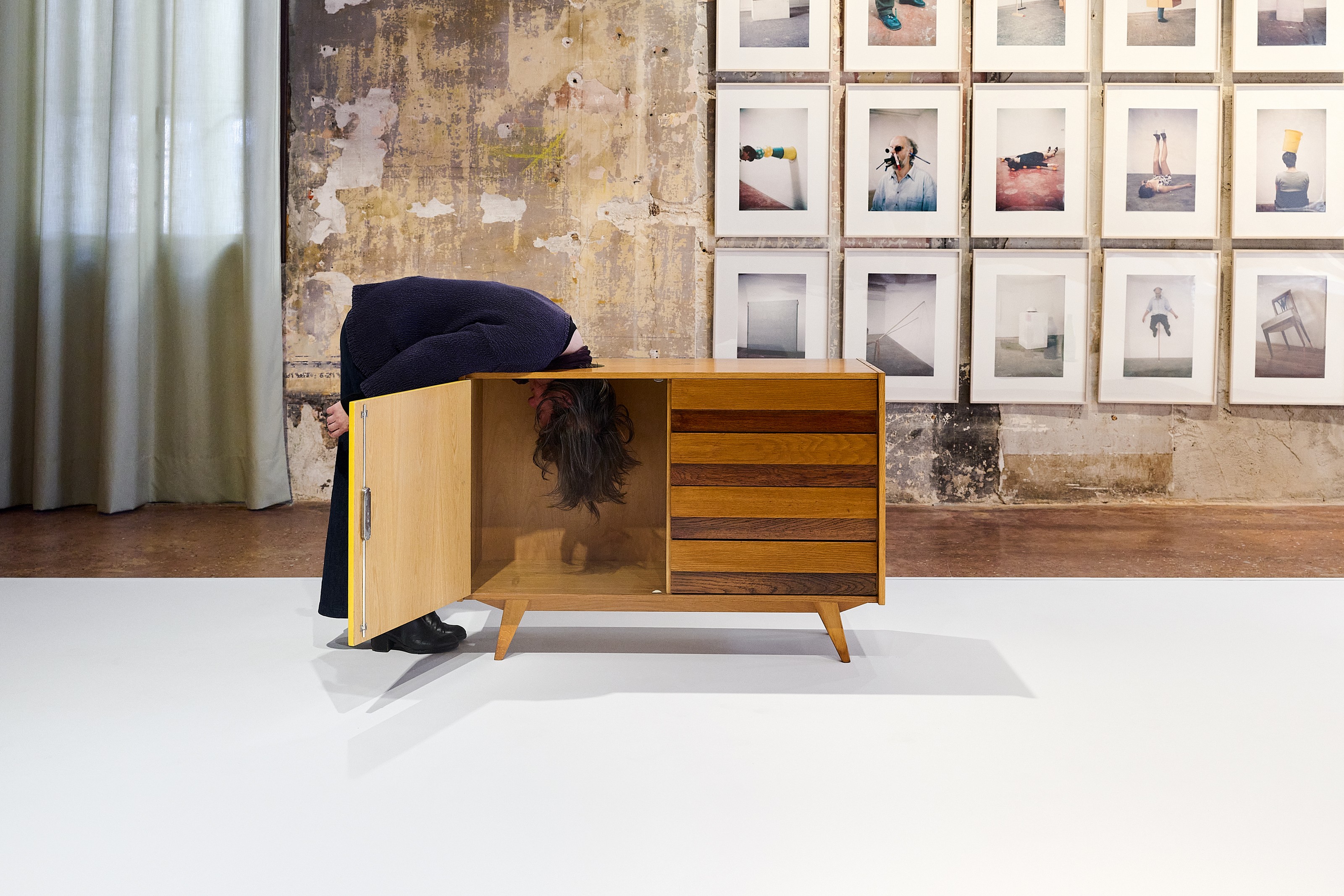
After studying at the Academy of Fine Arts and the School of Applied Arts in Vienna in the late 1970s and ’80s, his One Minute Sculptures, begun in 1996-97, brought Wurm great international success. In them, the artist provides observers with instructions that indicate actions or poses to be performed with everyday objects, such as chairs, buckets, fruit, sweaters… These sculptures are ephemeral by nature, and this has led Wurm to challenge the formal qualities of different visual languages by superseding the boundaries between art and everyday life, viewer and participant. 

The One Minute Sculptures series explores the idea of the human body as sculpture; in other works Wurm anthropomorphises everyday objects in unexpected ways, adding legs to bags, contorting sausage-like shapes (Abstract Sculptures), or expanding the volume of technical and architectural objects (Fat Car, Fat House).

Wurm considers the physical act of gaining and losing weight as a sculptural gesture, and often creates the illusion of bodily growth or shrinkage in his work. Humour is also an important instrument, but at the same time his work invokes essential philosophical, psychological and social questions. A critique of contemporary society often appears in his practice, particularly in response to capitalist influences and the consequent social pressures that the artist sees as contrary to our inner ideals. Wurm stresses this dichotomy by working within the liminal space between high and low, to explore what he himself sees as a farcical and invented reality.

Curated by Elisabetta Barisoni and Cristina Da Roit

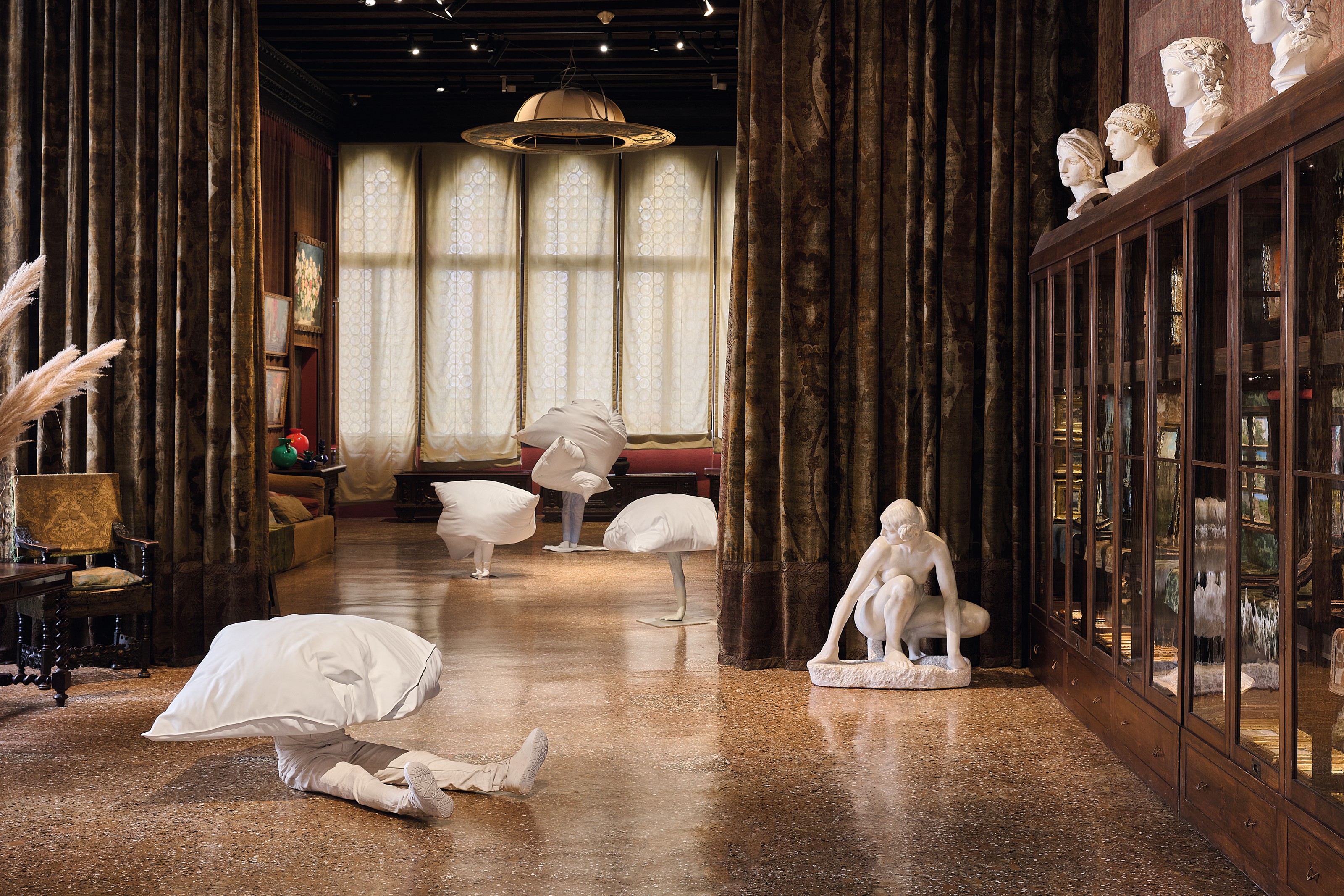
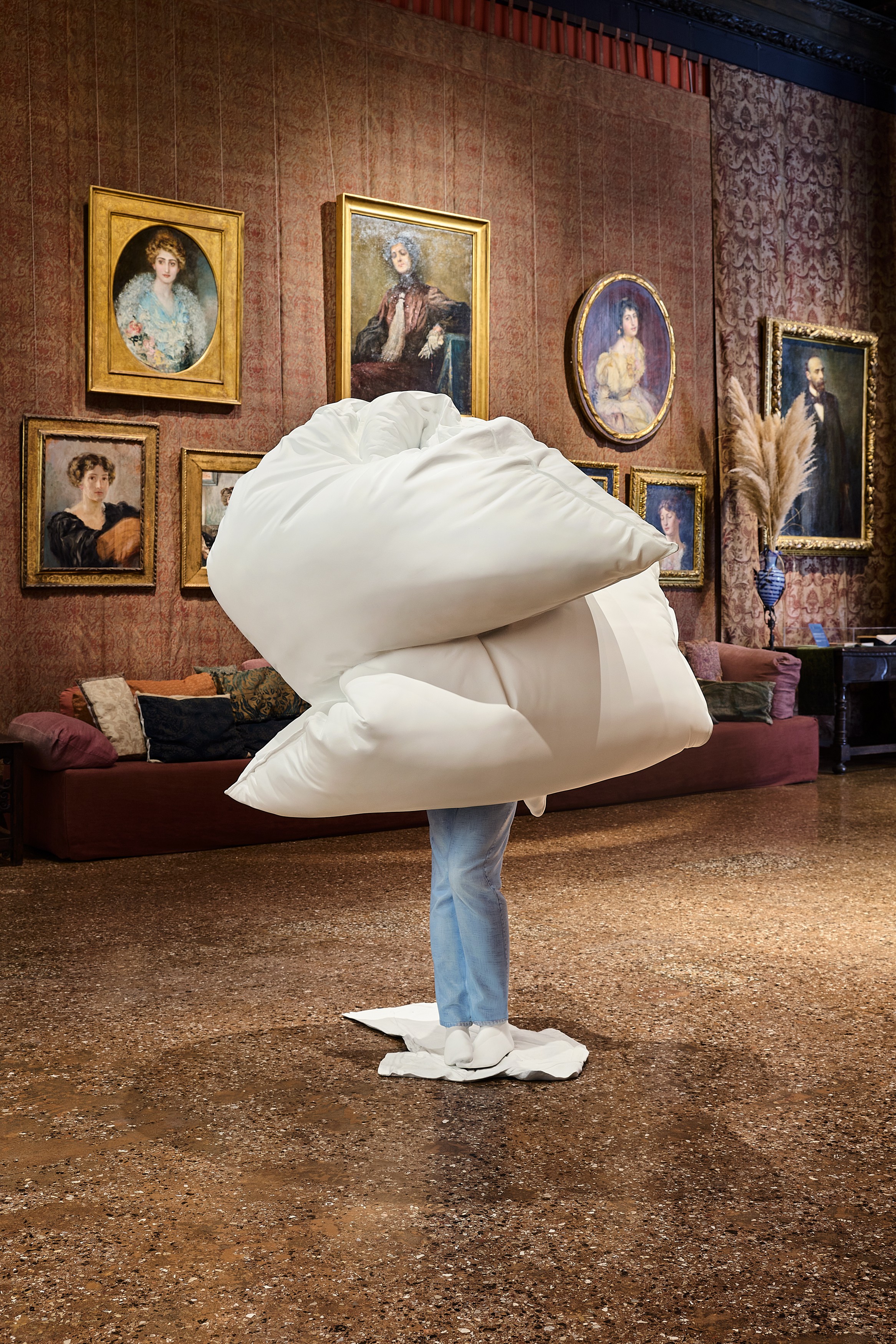
Installation view of Erwin Wurm at Museo Fortuny
Installation Views: 1 of 3
Sculpture by Erwin Wurm

Erwin Wurm

Psyche - As You Like It (One Minute Sculptures series), 2024

Sculpture by Erwin Wurm

Erwin Wurm

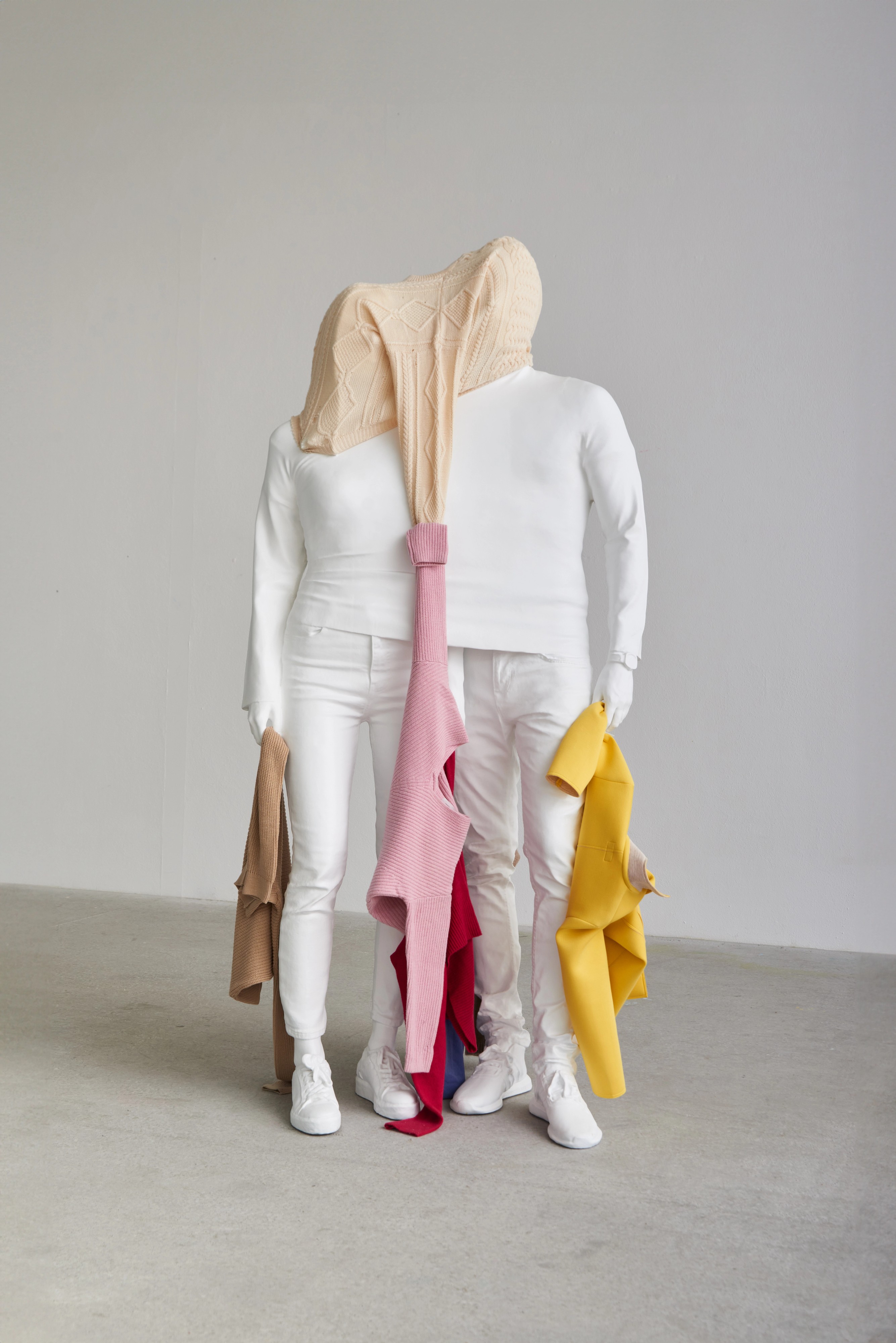
Double Dream (Dreamers series), 2026

“The ordinary is so close and so familiar to us that we are inclined to neglect it. Looking at the ordinary from the perspective of the absurd and paradox gives us an opportunity to see something different, perhaps more interesting.” —Erwin Wurm

Sculpture by Erwin Wurm

Erwin Wurm

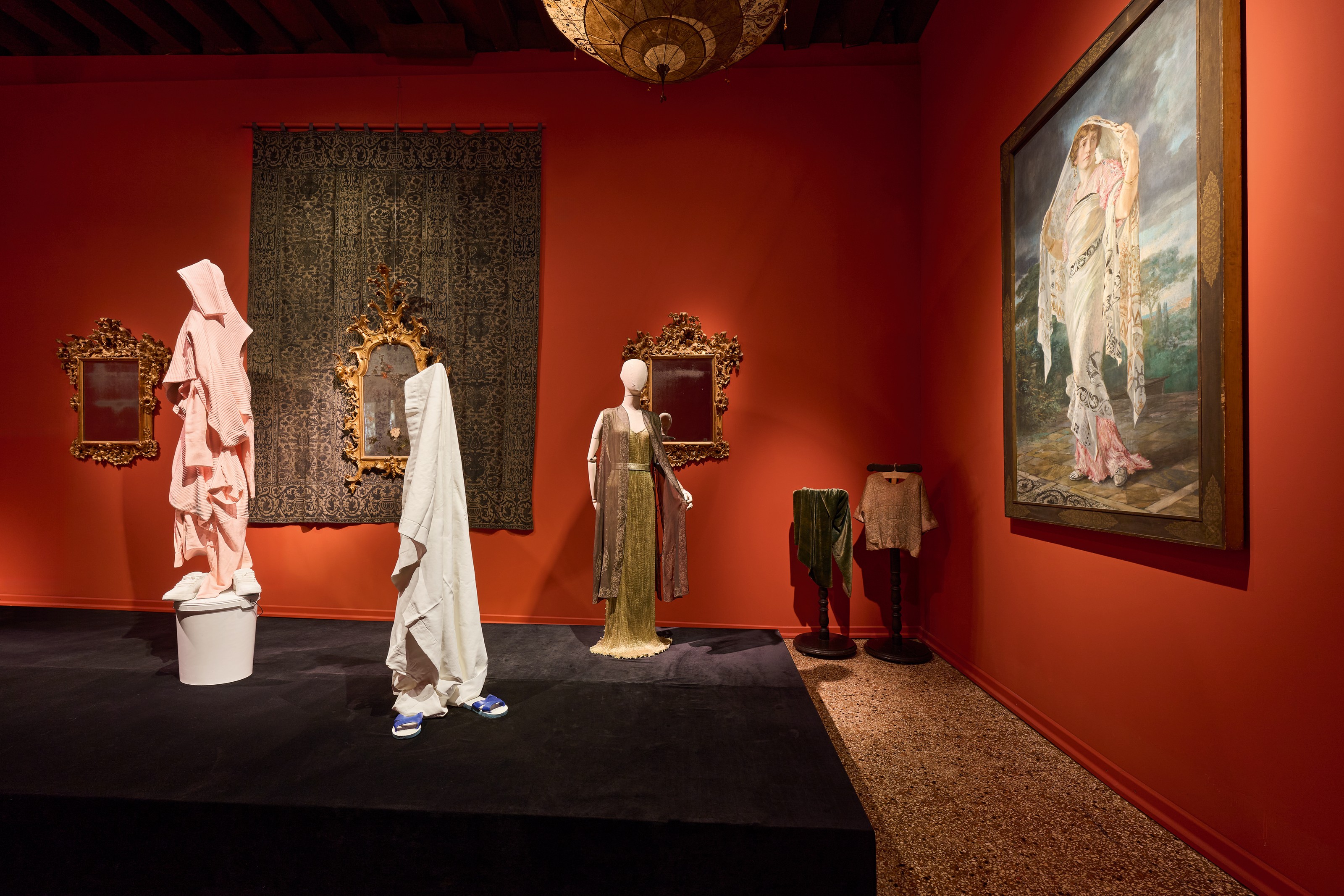
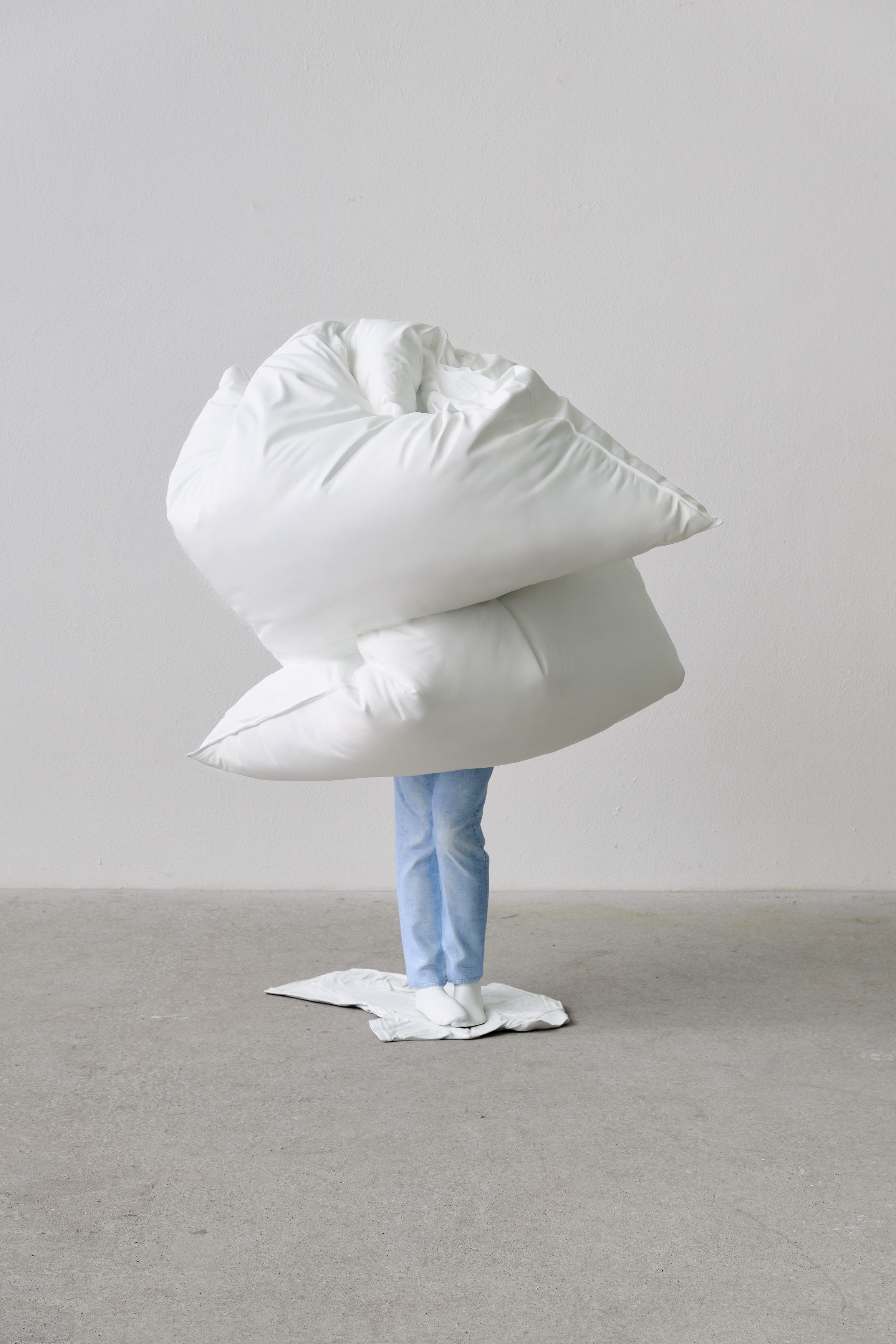
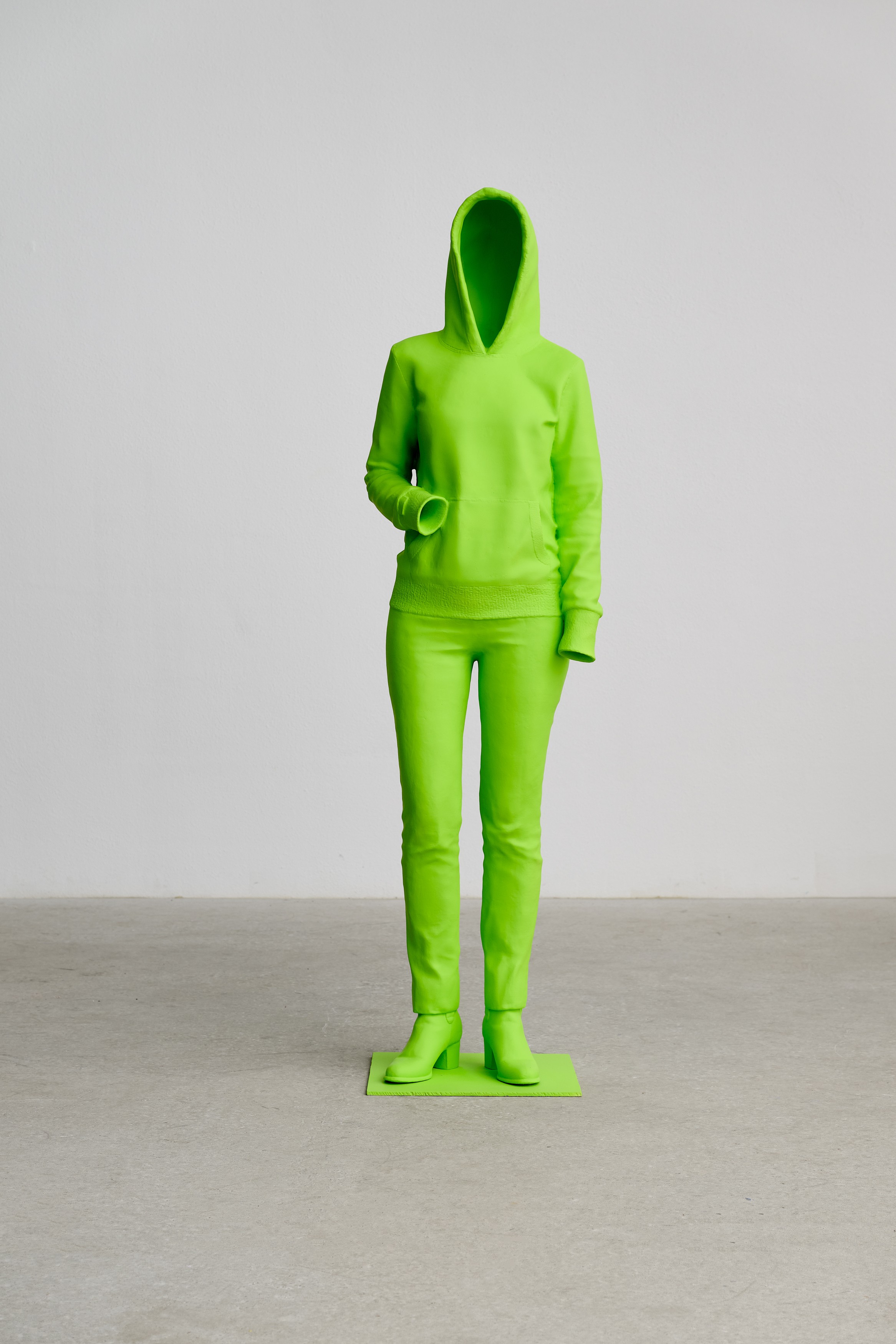
Yikes (Substitutes series), 2024

Sculpture by Erwin Wurm

Erwin Wurm

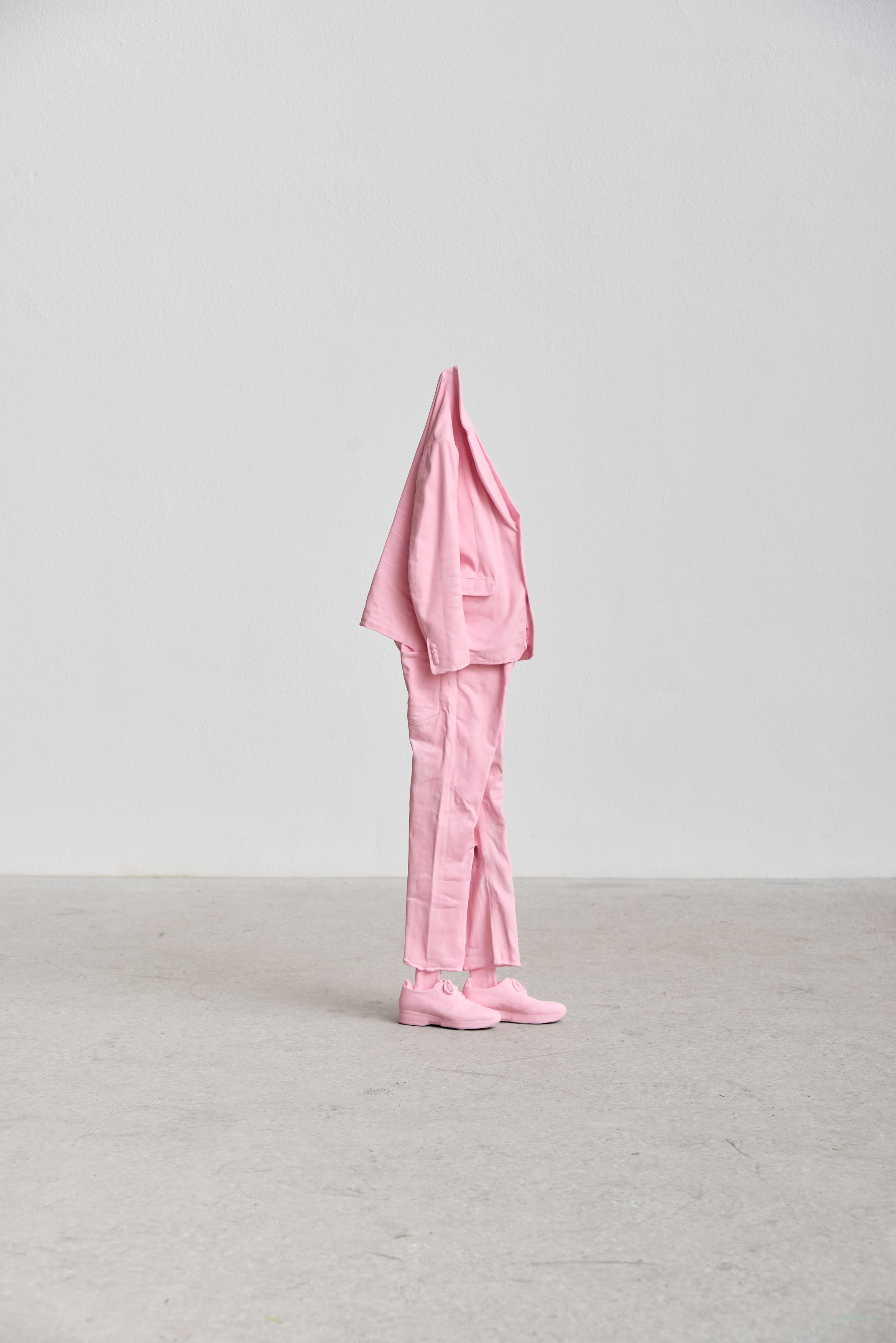
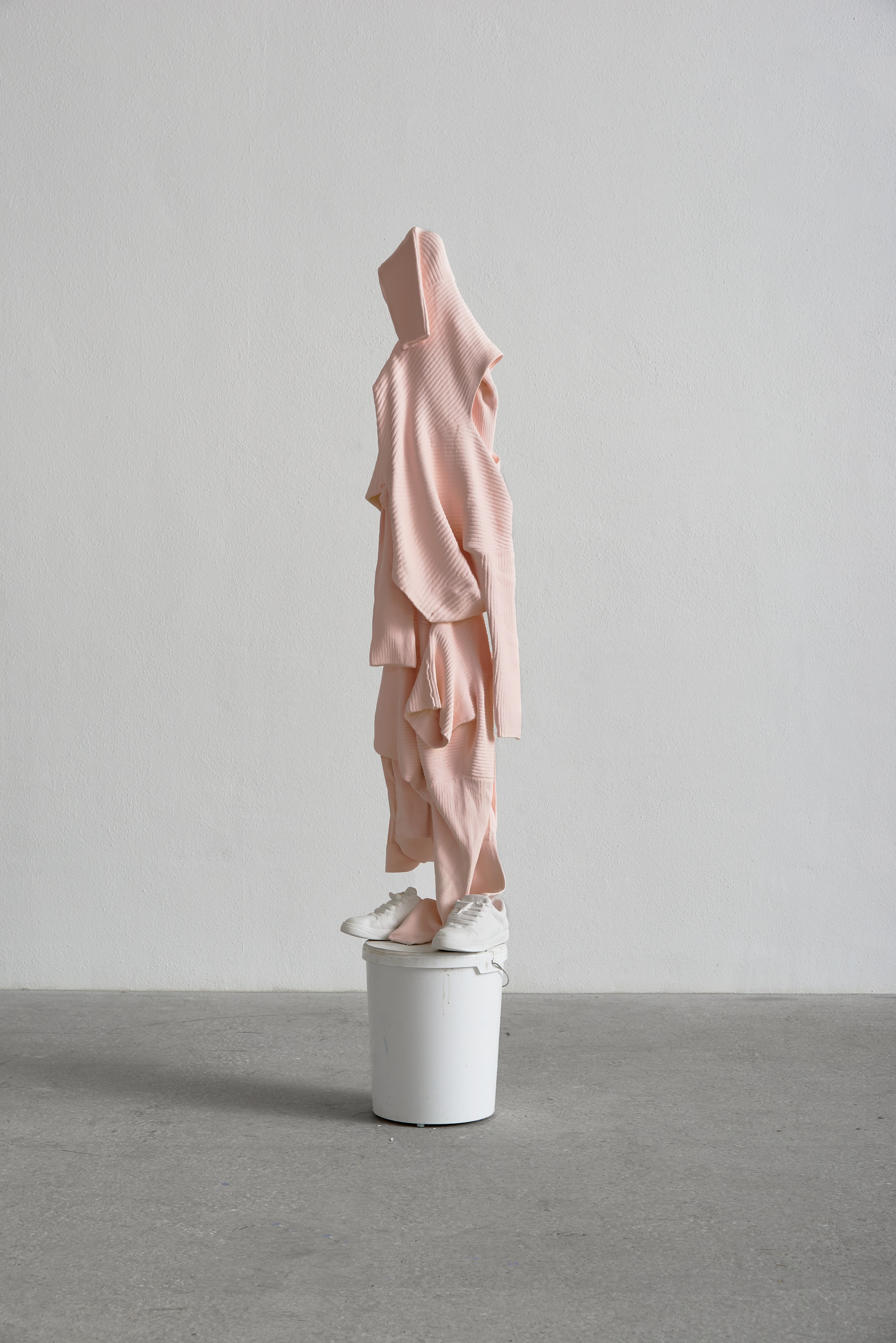
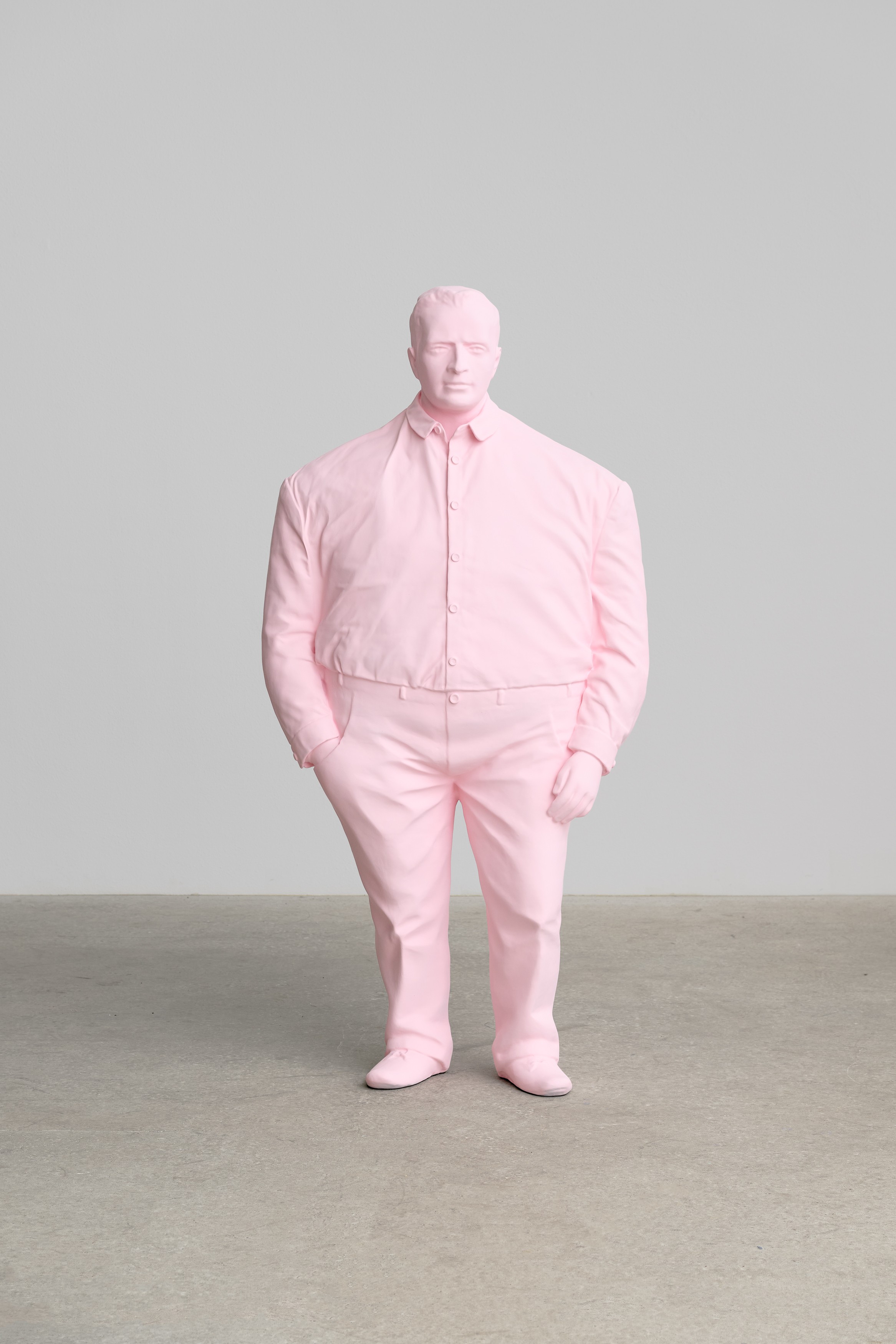
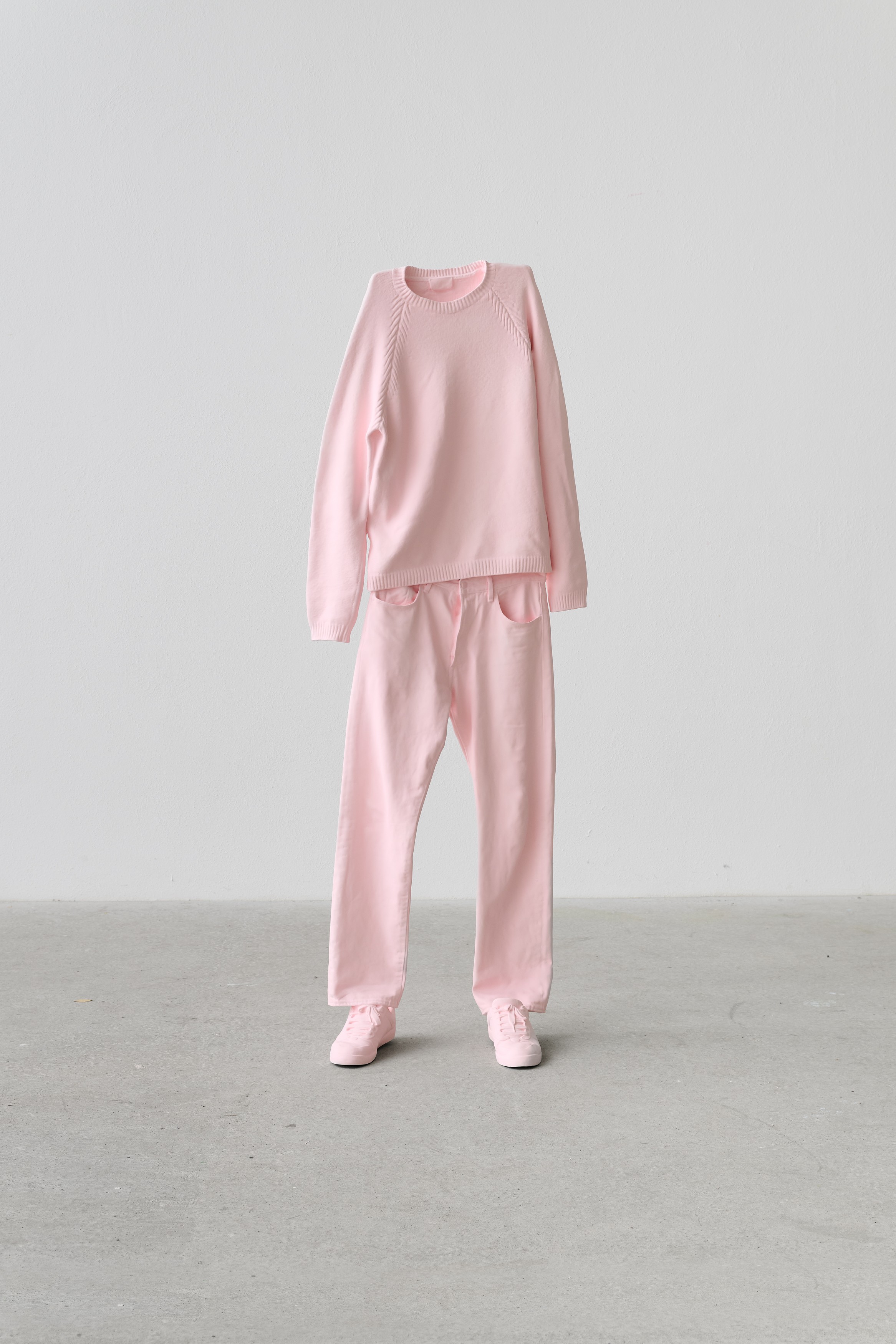
Waiting Pink Small (Substitutes series), 2024

Sculpture by Erwin Wurm

Erwin Wurm

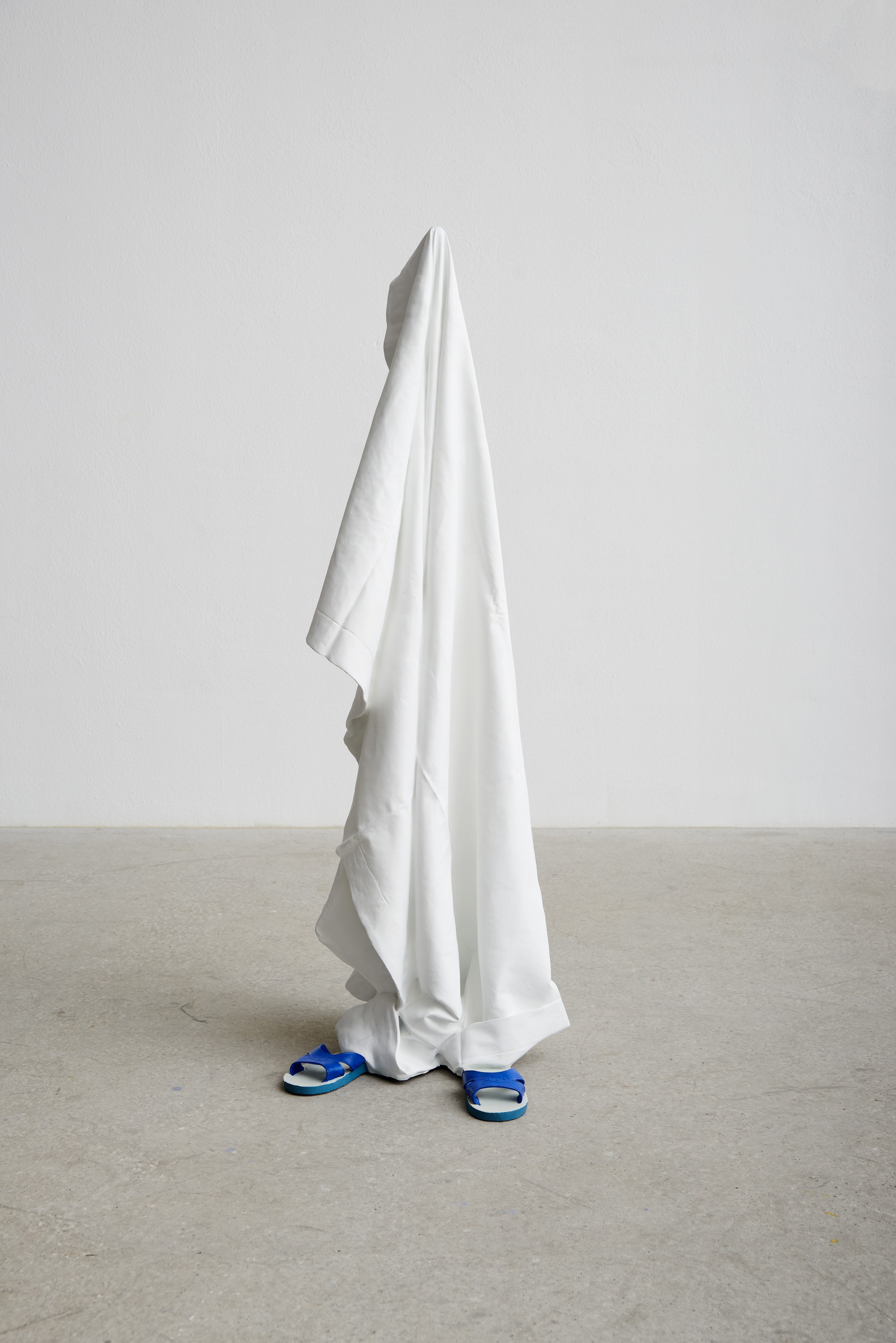
Repentance (After Donatello), 2023

Sculpture by Erwin Wurm

Erwin Wurm

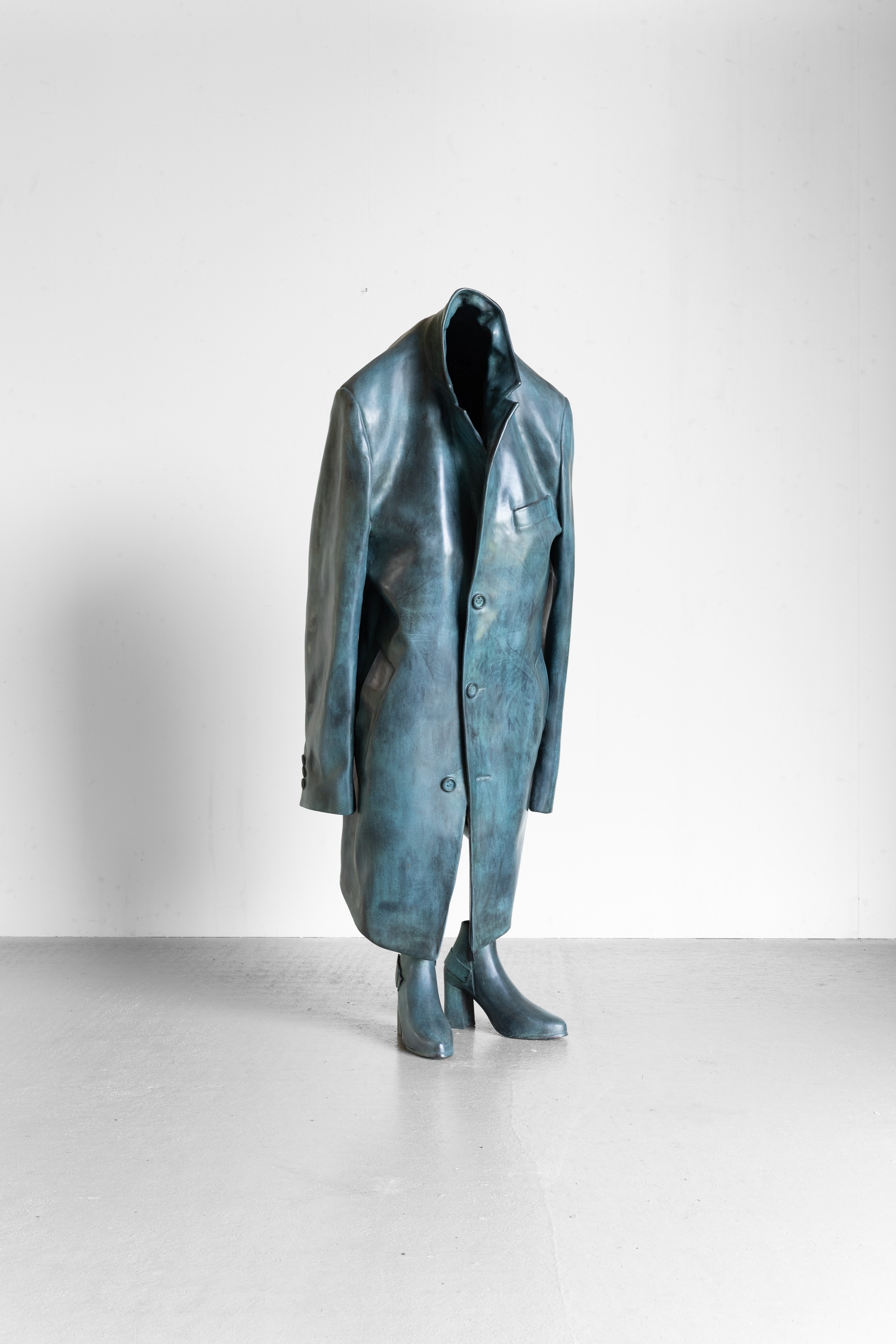
Balzac, 2023

Sculpture by Erwin Wurm

Erwin Wurm

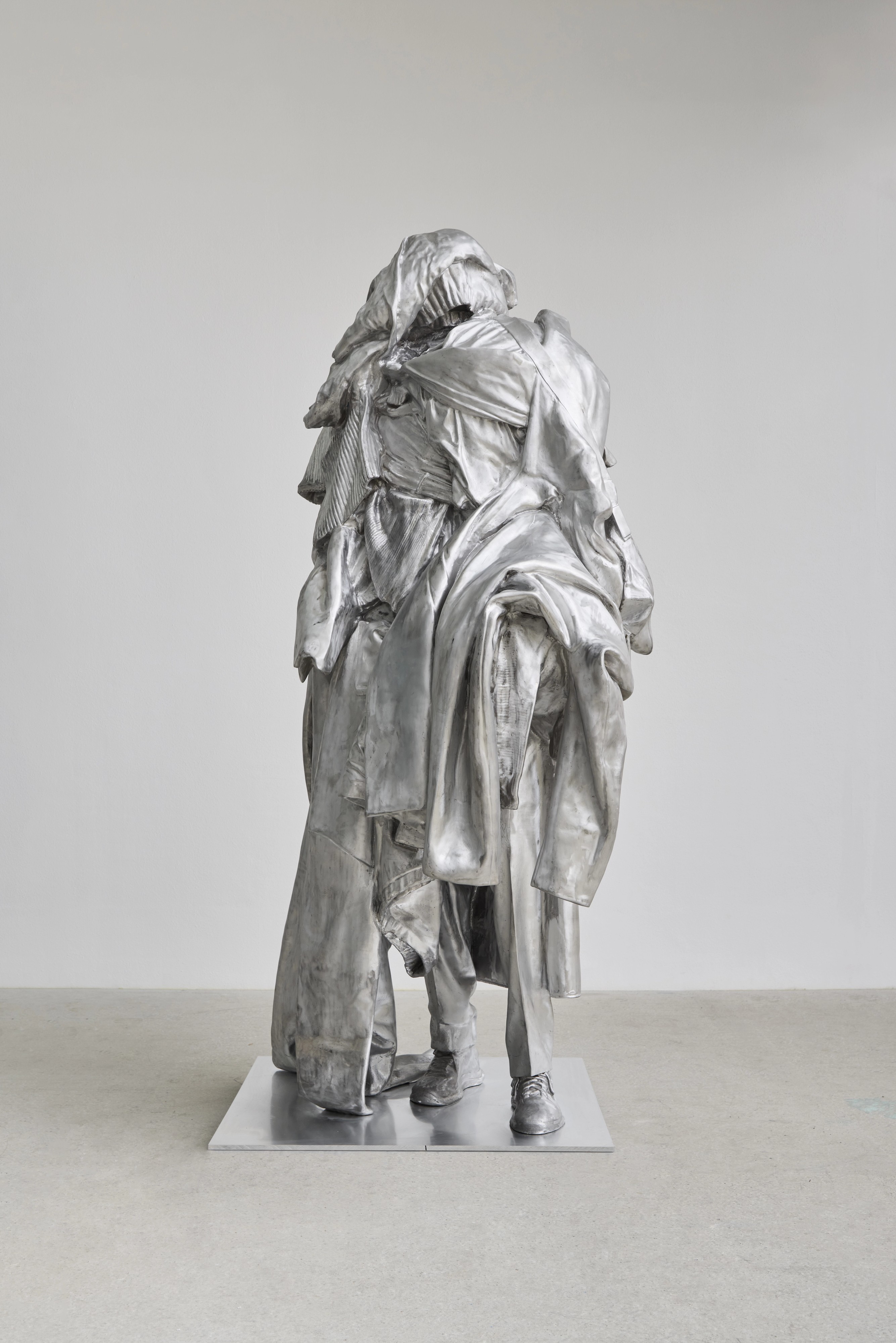
Rodin’s Coat, 2023

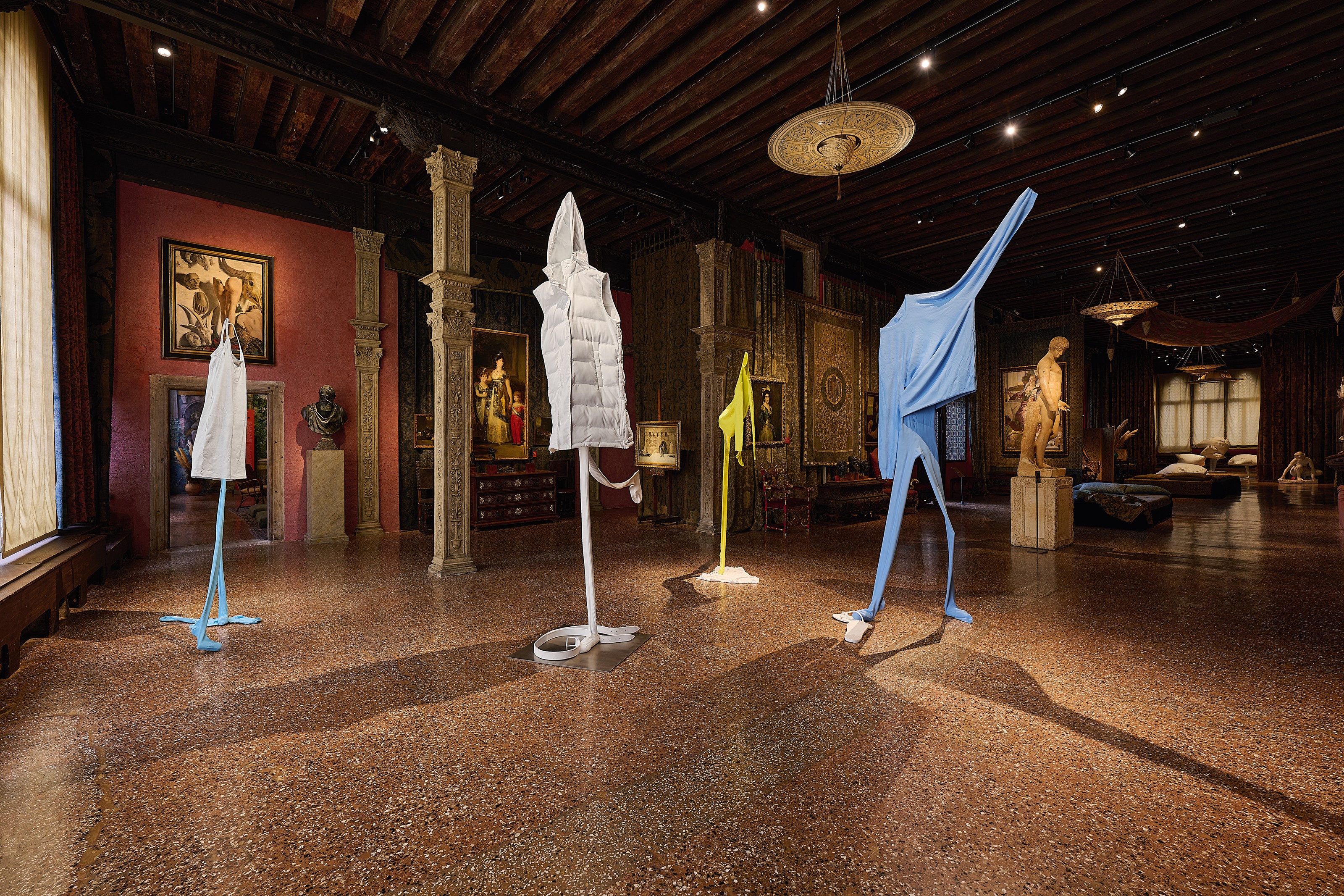
Installation view of Erwin Wurm at Museo Fortuny
Installation Views: 1 of 2
Sculpture by Erwin Wurm

Erwin Wurm

Poison, 2025

Sculpture by Erwin Wurm

Erwin Wurm

Blurred Memory: Uncle Bazooka, 2025

Sculpture by Erwin Wurm

Erwin Wurm

Mind Bubble Leg Up (Mind Bubbles series), 2024

Sculpture by Erwin Wurm

Erwin Wurm

Nightmare (Dreamers series), 2026

Sculpture by Erwin Wurm

Erwin Wurm

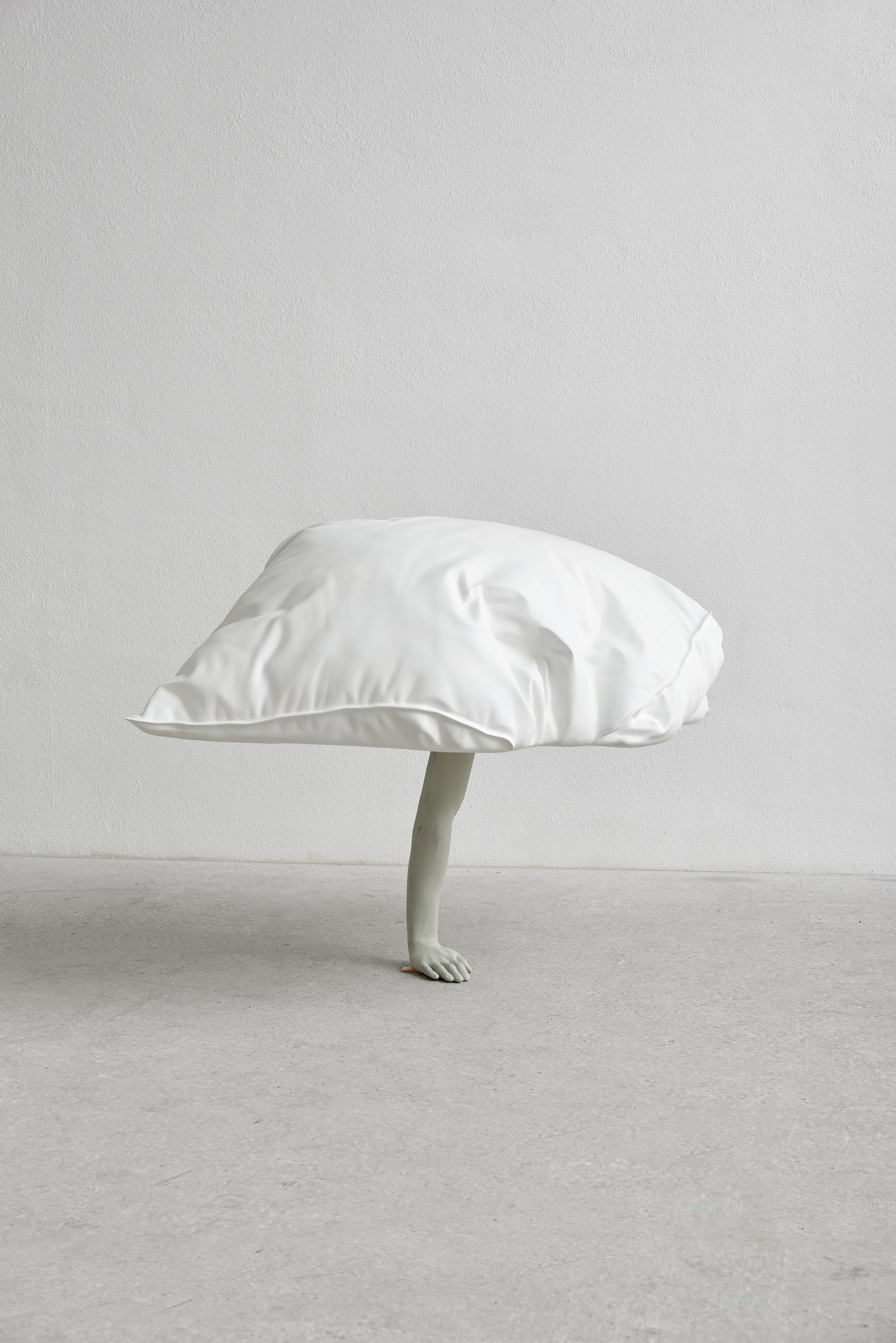
Dreamer, One Arm (Dreamers series), 2024

Sculpture by Erwin Wurm

Erwin Wurm

Skin (Substitutes series), 2026

Press Highlights

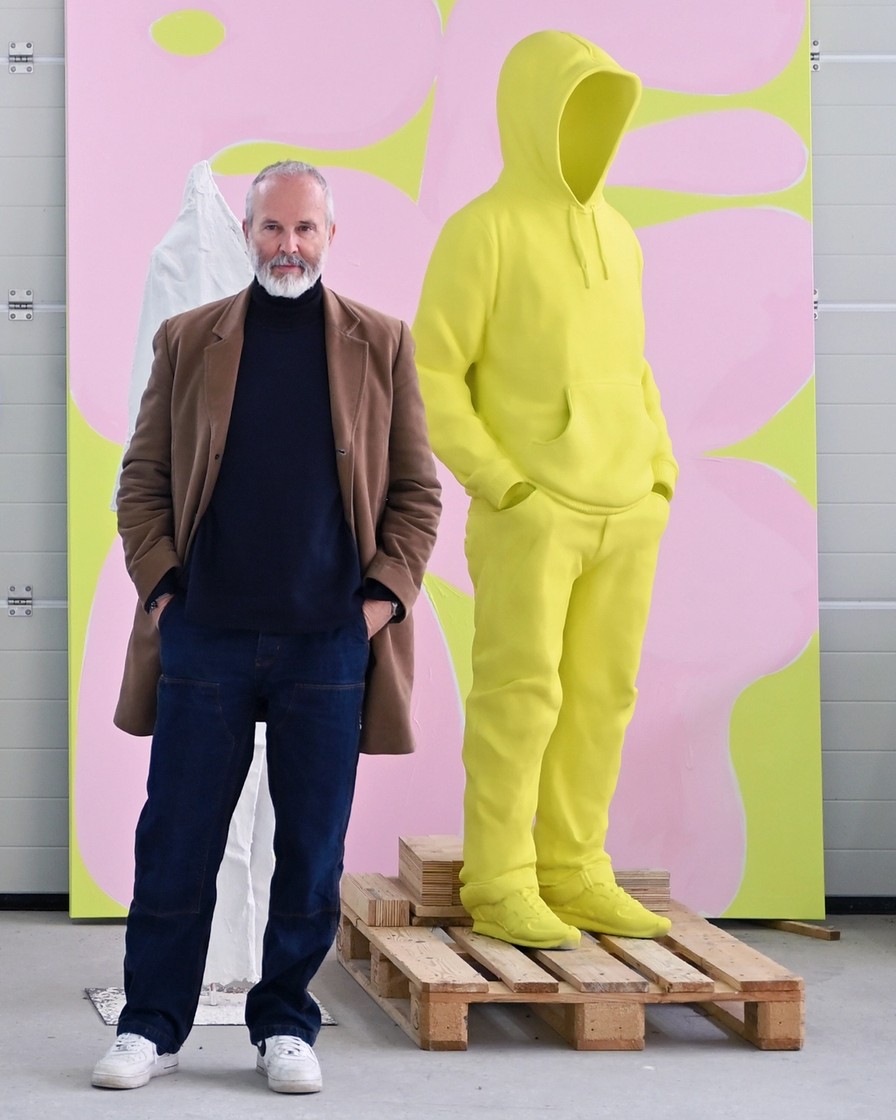
Portrait of Erwin Wurm

Erwin Wurm (b. 1954 Bruck an der Mur/Styria, Austria; lives and works in Vienna and Limberg, Austria) came to prominence with his One Minute Sculptures, a project that he began in 1996/1997. In these works, Wurm gives written or drawn instructions to participants that indicate actions or poses to perform with everyday objects such as chairs, buckets, fruit, or knit sweaters. These sculptures are by nature ephemeral, and by incorporating photography and performance into the process Wurm challenges the formal qualities of the medium as well as the boundaries between performance and daily life and spectator and participant. While in this series he explores the idea of the human body as sculpture, in some of his more recent work he anthropomorphizes everyday objects in unsettling ways, like contorting sausage-like forms into bronze sculptures in Abstract Sculptures, or distorting and bloating the volume and shape of a car in Fat Car. Wurm considers the physical act of gaining and losing weight a sculptural gesture, and often creates the illusion of bodily growth or shrinkage in his work. While Wurm considers the absurd an important tool, there is always an underlying social critique of contemporary culture, particularly in response to the capitalist influences and resulting societal pressures that the artist sees as contrary to our internal ideals. Wurm emphasizes this dichotomy by working within the liminal space between high and low and merging genres to explore what he views as a farcical and invented reality.

Erwin Wurm graduated from University of Graz, Austria, in 1977, and University of Applied Art and Academy of Fine Art, Vienna in 1982. Solo exhibitions of his work have been organized at the SCAD Museum of Art , Savannah, Georgia (2023); Yorkshire Sculpture Park, West Bretton, United Kingdom (2023); Tel Aviv Museum of Art, Tel Aviv, Israel (2023); Suwon Museum of Art, Suwon, South Korea (2022); Bratislava City Gallery, Bratislava, Slovakia (2022); Museum of Contemporary Art, Belgrade, Serbia (2022); Museum Jan Cunen, Oss, Netherlands (2022); König Galerie, Vienna, Austria (2022); Biblioteca Nazionale Marciana, Venice, Italy (2022); Museum Hartberg, Hartberg, Austria (2021); K11 Atelier, Tianjin, China (2021); Taipei Fine Arts Museum, Taipei, Taiwan (2020); Kunstraum Dornbirn, Dornbirn, Austria (2020); Vancouver Art Gallery, Vancouver, Canada (2019); Vieille Charité, Marseille, France (2019); K11 Musea, Hong Kong (2019); Musée d’Art Contemporain, Marseille, France (2019); The Albertina Museum, Vienna, Austria (2018); Ludwig Museum, Budapest, Hungary (2018); Kunstmuseum Luzern, Luzern, Switzerland (2018); Public Art Fund, New York, NY (2018); Ayala Museum, Manila, Philippines (2018); Indianapolis Museum of Art, Indianapolis, IN (2015); Museum of Contemporary Art in Kraków, Poland (2013); Centro de Arte Contemporáneo de Málaga, Spain (2012); and Dallas Contemporary, TX (2012).

Learn about the artist